Surface and power type
- Smooth interior slabs with emissions sensitivity often point to electric sit-down or stand-up trucks.
- Mixed indoor/outdoor routes with dock crossings may require cushion-to-pneumatic compromises or dedicated outdoor units.
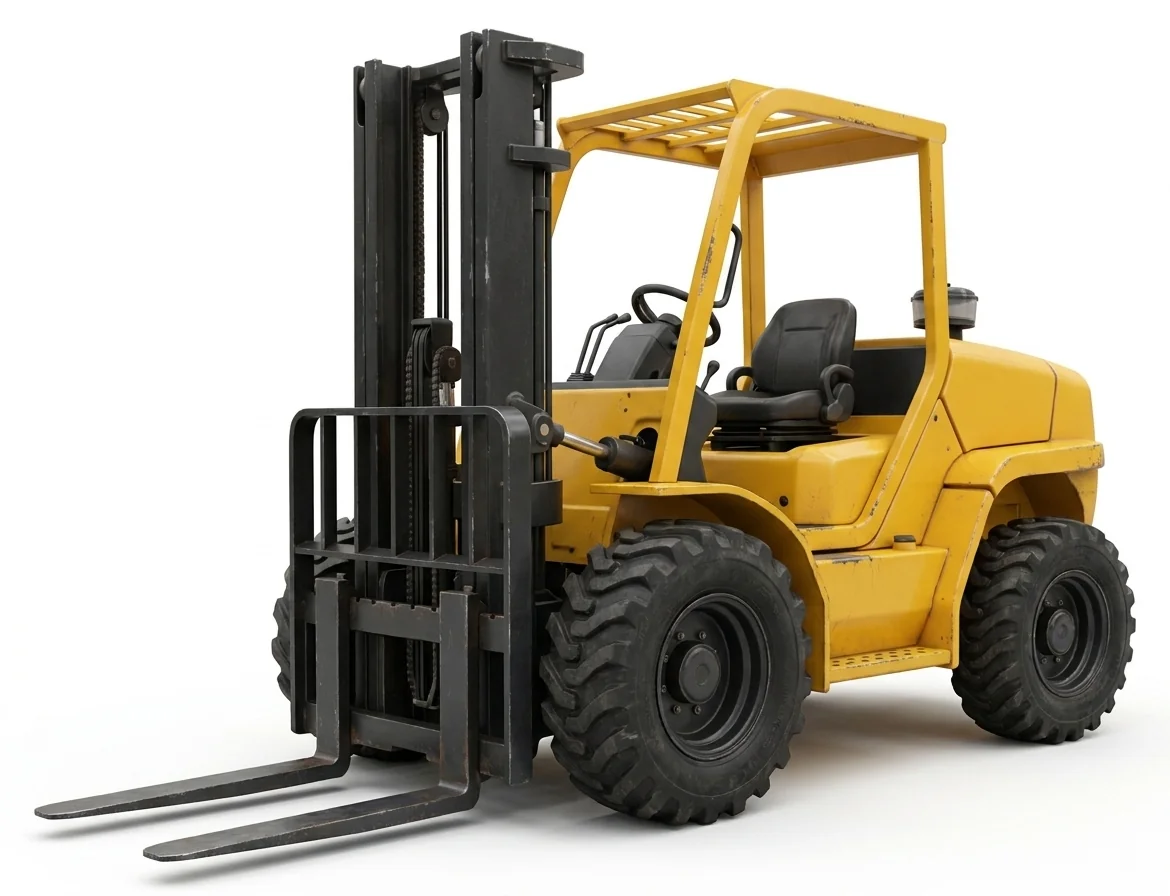
- Unpaved yards and laydown areas usually call for rough-terrain forklifts.
Aisle width and turning
Narrow aisles in local distribution buildings tighten the margin for standard counterbalance trucks. Measure the smallest aisle and the largest pallet length to understand the required right-angle stack dimension. In older buildings near commercial districts, door thresholds and tight turns can be as limiting as aisle width.
Lift height and load handling
- Maximum lift height should include clearance above top beam or placement surface.
- Rated capacity declines with height and load center; long pallets or dense equipment increase the effective load center.
- Mast type affects visibility and collapsed height for trailer work.
Fort Worth considerations
Summer heat and long duty cycles can stress cooling systems in internal-combustion models; review model literature for duty limits. For mixed-use sites affected by expansive clay soils, yard segments may rut after rain, which influences tire selection and whether a separate rough-terrain unit is needed for transfers.
Related categories
- For elevated personnel access, compare /vertical-mast-lift-rental/ for tight indoor spots or /aerial-lift-rental/ for broader options.