Decide by footprint, door use, and route
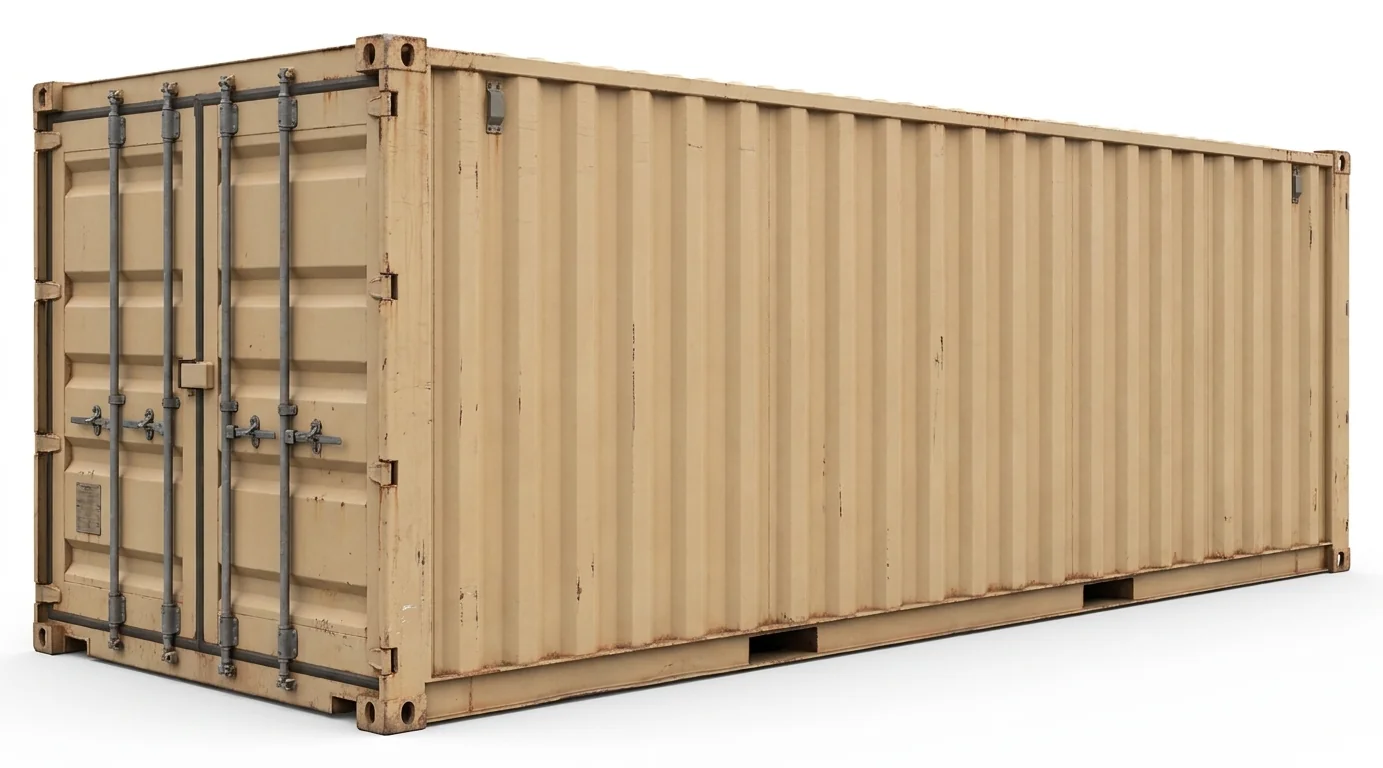
- Map the longest item to be stored and its typical handling method. Palletized goods need straight-in door access; long tooling may require full door swing and extra apron width.
- Note lift equipment. Fork tines, pallet jacks, or telehandlers each change required door clearance and interior turning radius. See /forklift-rental/ or /telehandler-rental/ when planning transfers.
- Confirm the truck route from street to set pad. Tight corners between buildings or dock canopies can limit container length the delivery can place.
Fort Worth ground and weather realities
- Unpaved yards over expansive clay can settle after rain. A container sited directly on soft subgrade may rack slightly, making doors harder to open until the surface firms up.
- Summer heat drives interior temperatures well above ambient. Sensitive materials and adhesives may need shaded placement or different staging plans.
- Plains winds push across open yards; consider wind exposure for door operation and debris control in busy distribution areas.
Placement near active operations
- At logistics sites, avoid blocking dock approach lines and trailer swing paths. Allow enough apron for forklifts to square up to the doors.
- Near manufacturing bays, keep clear of exhaust outlets and air intakes to prevent heat load and dust recirculation into work areas.
Narrowing the container choice
- Short-term parts kitting beside assembly or maintenance: smaller units close to the task with doors aligned to the handling aisle.
- Long-term storage of packaging, spares, or seasonal inventory: larger units set on a firm pad with straightforward truck access for swaps.
- Mixed indoor-outdoor staging: pair interior racks with exterior containers placed near roll-up doors to minimize travel time.
Related access equipment
When parts move to elevated work, compare lifts by surface and reach: - Smooth interior slabs: /electric-scissor-lift-rental/ - Uneven exterior yards: /rough-terrain-scissor-lift-rental/ - Over-structure reach around obstacles: /articulating-boom-lift-rental/